


Understanding career hierarchies can be confusing, especially when job titles seem similar at first glance. Many professionals wonder about the organizational structure and which positions offer better advancement opportunities. According to industry insights from Local Advertising Journal, the employment landscape continues to evolve with changing role definitions and responsibilities.
The corporate world operates on established hierarchies that determine compensation, responsibilities, and career progression paths. When examining various positions, the difference between coordinator and specialist becomes crucial for anyone planning their professional journey. These distinctions affect everything from salary negotiations to long-term career goals.
Understanding Role Definitions and Scope
Coordinators typically handle administrative tasks and ensure smooth operations across different departments. They serve as communication bridges between teams and manage schedules, meetings, and basic project elements. Their work focuses on organization, coordination, and supporting various team members in their daily activities.
Specialists, however, possess deep expertise in specific areas and contribute strategic value to organizations. They bring technical knowledge, analytical skills, and subject matter expertise that directly impacts business outcomes. Companies rely on specialists to solve complex problems and provide guidance in their areas of expertise.
Experience and Education Requirements
Most coordinator positions require basic qualifications and can serve as entry points into various industries. These roles often welcome recent graduates or professionals transitioning between fields. The learning curve tends to be manageable, with on-the-job training covering most necessary skills.
Specialist roles demand extensive education, certifications, or years of focused experience. Organizations expect specialists to possess advanced knowledge that took time to develop. This expertise requirement naturally positions specialist roles higher in organizational hierarchies and compensation structures.
Responsibility Levels and Decision-Making Authority
Coordinators handle operational tasks but rarely make strategic decisions independently. They execute plans created by others and ensure implementation runs smoothly. Their responsibilities center around process management rather than strategic planning or policy development.
Specialists enjoy greater autonomy and decision-making authority within their expertise areas. They influence project directions, recommend solutions, and often guide organizational strategies. This increased responsibility reflects their higher position in company hierarchies and justifies elevated compensation packages.
Salary Expectations and Compensation Packages
Market data consistently shows specialists earning higher salaries than coordinators across most industries. The specialized knowledge and skills that specialists bring create greater value for organizations, resulting in premium compensation. Entry-level specialist positions often match or exceed senior coordinator salaries.
Coordinators typically start with modest salaries that grow gradually through experience and additional responsibilities. While advancement opportunities exist, the salary ceiling for coordinator roles generally remains below specialist starting points. This compensation difference reflects the varying levels of expertise required.
Career Advancement Opportunities
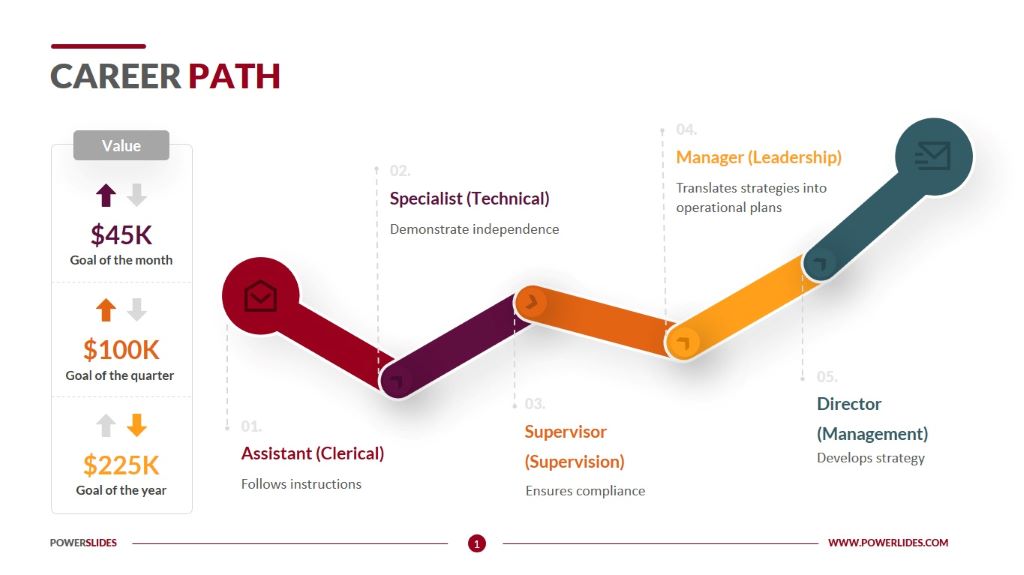
Coordinator roles serve as stepping stones to various career paths but may limit long-term growth potential. Professionals in these positions often need to transition into specialized areas to achieve significant advancement. The broad scope of coordinator work provides general experience but lacks the depth required for senior positions.
Specialists enjoy clearer advancement paths within their expertise areas. They can progress to senior specialist roles, management positions, or consulting opportunities. Their deep knowledge creates multiple career options and typically leads to faster progression through organizational levels.
Industry Recognition and Professional Status
The professional community recognizes specialists as subject matter experts who contribute valuable insights to their fields. They often participate in industry conferences, publish articles, and serve as thought leaders. This recognition enhances their professional reputation and opens additional opportunities.
Coordinators receive less industry recognition due to their operational focus rather than strategic contributions. While their work remains essential for organizational success, it rarely generates the external visibility that specialists enjoy. This difference in professional status reflects the hierarchical relationship between these roles.
Impact on Business Operations
Coordinators ensure daily operations run efficiently but rarely drive significant business changes. Their contributions keep existing systems functioning properly and support other team members’ productivity. While valuable, this impact tends to be indirect and operational rather than transformational.
Specialists directly influence business outcomes through their expertise and recommendations. They solve complex problems, improve processes, and contribute to strategic initiatives that affect company performance. This direct business impact justifies their higher organizational positioning and compensation levels.
Skills Development and Specialization Requirements
Coordinator roles develop broad skills applicable across various situations but may lack the depth required for advancement. Professionals learn project management, communication, and organizational skills that provide solid foundations for future growth. However, these general skills don’t create the specialized value that organizations prize most highly.
Specialists must continuously develop deep expertise in their chosen areas to remain valuable. This ongoing learning requires significant time investment but creates competitive advantages that justify higher positions. The specialized knowledge becomes increasingly valuable as professionals gain more experience and recognition.
Market Demand and Job Security
Organizations always need coordination functions, creating steady demand for these positions. However, the relatively low barriers to entry mean competition remains high, and roles may face automation risks. Coordinator positions offer stability but limited differentiation in competitive job markets.
Specialist roles enjoy strong demand due to their specialized nature and the difficulty of finding qualified candidates. Organizations compete for talented specialists, creating favorable conditions for salary negotiations and job security. The specialized skills provide protection against automation and outsourcing threats.
Conclusion
The hierarchical relationship between specialist and coordinator roles reflects fundamental differences in expertise, responsibility, and business impact. Specialists command higher positions due to their specialized knowledge, decision-making authority, and direct contributions to organizational success. While coordinator roles provide valuable entry points and operational support, they typically lack the depth and expertise that justify higher organizational levels.
Understanding these differences helps professionals make informed career decisions and plan appropriate development paths. Those seeking rapid advancement and higher compensation should focus on developing specialized expertise rather than remaining in generalist coordinator positions. The investment in specialized knowledge consistently leads to better career outcomes and professional recognition.
Frequently Asked Questions
Q: Can a coordinator transition to a specialist role within the same company? A: Yes, many organizations support internal transitions when coordinators develop relevant expertise and demonstrate competency in specialized areas.
Q: How long does it typically take to move from coordinator to specialist level? A: The timeline varies by industry and individual circumstances, but most transitions require 2-5 years of focused skill development and experience.
Q: Do all industries follow the same hierarchy between coordinators and specialists? A: While the general pattern holds across industries, specific requirements and progression paths may vary depending on the field and organizational structure.
Q: Is it worth staying in a coordinator role if there’s potential for growth? A: Coordinator roles can offer valuable experience and advancement opportunities, but developing specialized skills typically provides better long-term career prospects.
Q: What’s the best way to develop specialist-level expertise while working as a coordinator? A: Focus on specific areas within your current role, pursue relevant certifications, seek mentorship from specialists, and gradually take on more complex projects that build expertise.
Read More: