


The luxury automotive industry stands at an unprecedented crossroads where traditional craftsmanship meets cutting-edge autonomous driving technology. Premium car manufacturers like Rolls-Royce, Bentley, and Mercedes-Maybach are investing billions in developing self-driving capabilities that promise to redefine the very essence of luxury transportation.
This transformation represents more than just adding sensors and software to expensive cars. It’s about creating an entirely new category of ultra-premium autonomous vehicles that elevate the passenger experience to unprecedented heights. When you remove the need for human drivers, luxury automakers can reimagine interior spaces, enhance comfort features, and provide services that were previously impossible.
Current State of Autonomous Luxury Vehicles
Today’s high-end vehicles already incorporate sophisticated driver assistance technologies that serve as stepping stones toward full autonomy. The latest Rolls-Royce models feature advanced cruise control systems, automatic parking capabilities, and collision avoidance technology. Mercedes-Benz’s S-Class offers Level 3 autonomous driving in certain conditions, allowing drivers to take their hands off the wheel and eyes off the road during highway driving.
However, these current implementations represent just the beginning. Luxury car manufacturers are working toward Level 4 and Level 5 autonomous driving capabilities, where vehicles can operate completely independently without human intervention. This level of automation opens up entirely new possibilities for how wealthy consumers interact with their vehicles.
The development timeline for fully autonomous luxury cars varies by manufacturer, but industry experts predict that Level 4 autonomous luxury vehicles will begin appearing in limited markets by 2027-2030. These initial offerings will likely be priced significantly higher than traditional luxury cars, targeting ultra-high-net-worth individuals who value cutting-edge technology and exclusive experiences.
Revolutionary Interior Design Possibilities
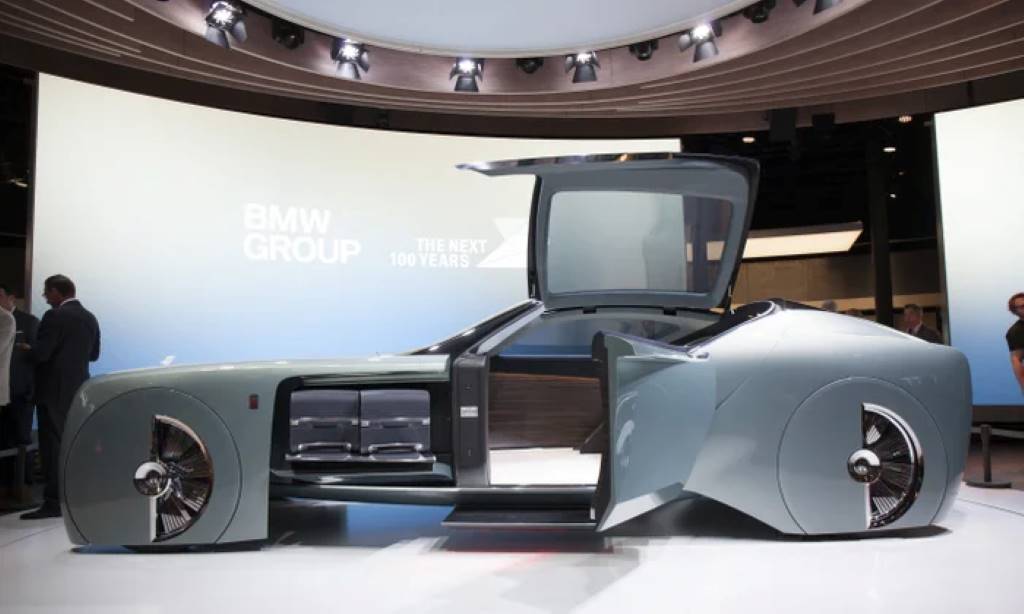
When steering wheels become optional and human drivers are no longer necessary, luxury car interiors can be completely reimagined. Autonomous vehicles enable designers to create lounge-like environments that prioritize passenger comfort and productivity over traditional automotive layouts.
Future self-driving Rolls-Royce models might feature rotating seats that allow face-to-face conversations, retractable desks for mobile offices, or even bed-like configurations for long-distance travel. Without the need for driver controls, the front of the vehicle becomes additional passenger space that can be customized for specific needs.
Premium materials and craftsmanship will become even more important in autonomous luxury vehicles. Hand-stitched leather, rare wood veneers, and precious metal accents will create environments that rival the finest private jets or luxury yachts. Advanced climate control systems, noise cancellation technology, and personalized lighting will ensure optimal comfort throughout the journey.
Entertainment systems in autonomous luxury cars will transcend current limitations. Imagine wraparound displays that provide immersive experiences, holographic projections, or augmented reality windows that overlay information onto the passing landscape. These vehicles will become mobile entertainment centers, offices, and relaxation spaces rolled into one.
Enhanced Safety and Security Features
Luxury autonomous vehicles will likely incorporate the most advanced safety and security technologies available. Military-grade encryption will protect passenger data and communication systems, while biometric authentication ensures that only authorized individuals can access the vehicle.
Autonomous driving systems in luxury cars will use redundant sensors and multiple backup systems to ensure safety. LiDAR, radar, cameras, and ultrasonic sensors will work together to create a comprehensive understanding of the vehicle’s surroundings. Machine learning algorithms will continuously improve the vehicle’s ability to navigate complex traffic situations and weather conditions.
For high-profile individuals, autonomous luxury vehicles offer enhanced security benefits. These cars can follow predetermined routes, avoid high-risk areas, and maintain communication with security teams throughout the journey. In emergency situations, the vehicle can automatically contact authorities and navigate to the nearest safe location.
Personalization and AI Integration
The future of luxury autonomous vehicles lies in deep personalization powered by artificial intelligence. These cars will learn passenger preferences, adjusting everything from seat positions and climate control to music selection and route preferences based on individual habits and schedules.
Voice assistants will become sophisticated personal concierges, capable of handling complex requests like booking restaurants, scheduling meetings, or managing travel arrangements during the journey. The vehicle’s AI will integrate with passengers’ digital lives, synchronizing calendars, emails, and communication systems to create a seamless experience.
Predictive technology will anticipate passenger needs before they’re expressed. If your calendar shows an important meeting, the car might automatically adjust the interior lighting to help you prepare presentation materials, or ensure you arrive with enough time to compose yourself before the appointment.
Environmental Impact and Sustainability
Luxury autonomous vehicles are expected to accelerate the adoption of electric powertrains and sustainable materials in the premium automotive segment. Companies like Rolls-Royce have already committed to full electrification, and autonomous technology will make electric luxury cars even more appealing.
Self-driving capabilities enable more efficient routing and driving patterns, potentially extending the range of electric luxury vehicles. Autonomous cars can optimize energy consumption by selecting the most efficient routes, adjusting driving styles for maximum efficiency, and coordinating with charging infrastructure.
Sustainable luxury materials will become increasingly important as environmentally conscious wealthy consumers demand vehicles that align with their values. Future autonomous luxury cars might feature interiors made from lab-grown leather, recycled precious metals, and sustainably sourced wood veneers.
Read Also:
How has pager technology evolved?
6 Ways to Make Your Data Collection Process Easier
Market Implications and Consumer Adoption
The introduction of autonomous luxury vehicles will likely create new market segments and business models. Instead of traditional ownership, some wealthy consumers might prefer subscription services that provide access to different autonomous luxury vehicles based on their needs.
Luxury car sharing services could emerge, allowing multiple high-net-worth individuals to share access to extremely expensive autonomous vehicles. This model would make the most advanced and costly autonomous luxury cars accessible to a broader wealthy consumer base.
The resale market for luxury cars will be significantly impacted as autonomous technology rapidly evolves. Traditional luxury cars may depreciate faster as autonomous features become standard expectations rather than optional extras.
Challenges and Obstacles Ahead
Despite the promise of autonomous luxury vehicles, significant challenges remain. Regulatory approval for fully autonomous cars varies widely between countries and regions, potentially limiting where these vehicles can operate initially. Insurance and liability questions for autonomous vehicles are still being resolved, particularly for high-value luxury cars.
The complexity of autonomous technology means that luxury car manufacturers must partner with technology companies or develop significant in-house expertise. This requirement may favor larger luxury brands with substantial research and development resources over smaller, boutique manufacturers.
Consumer acceptance remains another hurdle. While younger wealthy consumers may embrace autonomous technology, older luxury car buyers might prefer traditional driving experiences and human chauffeurs. Luxury brands will need to offer options that satisfy both preferences.
The Road Ahead for Luxury Mobility
The convergence of autonomous technology and luxury automotive design represents one of the most significant transformations in transportation history. Self-driving Rolls-Royce vehicles and other autonomous luxury cars will offer unprecedented levels of comfort, convenience, and personalization for wealthy consumers.
As this technology matures, we can expect to see increasingly sophisticated implementations that blur the lines between luxury cars, private jets, and premium hospitality experiences. The journey toward fully autonomous luxury vehicles has already begun, and the destination promises to redefine what it means to travel in style.
The future of luxury transportation isn’t just about getting from point A to point B—it’s about creating mobile environments that enhance every aspect of the journey. Whether you’re a business executive needing a mobile office, a celebrity requiring privacy and security, or simply someone who appreciates the finest things in life, autonomous luxury vehicles will deliver experiences that exceed today’s imagination.