


Innovation often begins where ambitious minds, research funding, and real world challenges meet. Boston has become one of the strongest examples of this combination. The city is home to world renowned universities that continue to shape the future of artificial intelligence, robotics, automation, and machine learning. According to the National Science Foundation, the United States invests billions of dollars annually in academic research and development, while Massachusetts consistently ranks among the nation’s leading research hubs. As universities expand research into the major fields of robotics, Boston institutions remain at the forefront of technological progress. Their work influences industries ranging from healthcare and transportation to manufacturing and environmental science.
The Foundation of Machine Innovation in Boston
Boston’s leadership in advanced machine innovation did not emerge overnight. Decades of investment in research, engineering education, and industry collaboration created an ecosystem where groundbreaking ideas can move from laboratories into practical applications. Universities throughout the city attract talented students, researchers, and entrepreneurs from around the world.
Research centers frequently partner with technology firms, healthcare organizations, and government agencies. As a result, discoveries often transition into real world products faster than in many other regions. This environment also encourages students to explore emerging technologies such as autonomous transportation. Many researchers study developments similar to self driving rolls royce systems to better understand future mobility solutions.
Furthermore, Boston’s universities benefit from close geographic proximity. Researchers can collaborate across institutions, share resources, and participate in interdisciplinary projects that accelerate innovation.
How Leading Universities Drive Research Excellence
Artificial Intelligence Laboratories
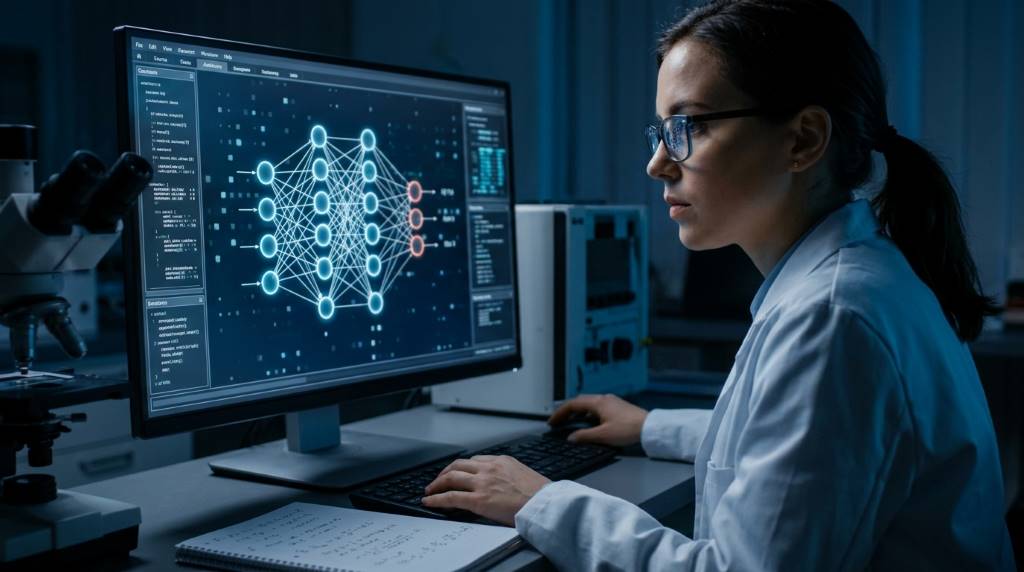
Several Boston universities operate advanced artificial intelligence laboratories that focus on machine learning, computer vision, natural language processing, and predictive analytics. These facilities support research aimed at solving complex challenges in medicine, finance, transportation, and cybersecurity.
Students gain hands on experience by working alongside faculty members on active projects. Consequently, they develop practical skills while contributing to meaningful scientific discoveries.
Robotics Research Programs
Robotics remains one of the most visible areas of machine innovation. University teams design robots capable of performing tasks that require precision, adaptability, and decision making abilities.
Many projects focus on healthcare applications. Researchers develop robotic systems that assist surgeons, support rehabilitation programs, and improve patient care. Other initiatives explore warehouse automation, industrial robotics, and disaster response technologies.
Data Science and Analytics Centers
Modern machines depend heavily on data. Therefore, universities invest substantial resources into data science programs that help researchers analyze large datasets and build intelligent systems.
These centers often combine expertise from computer science, mathematics, engineering, and business disciplines. Such collaboration produces innovative solutions that improve efficiency and decision making across industries.
The Role of Industry Partnerships
University innovation thrives when academic research connects with industry needs. Boston institutions maintain strong partnerships with technology companies, healthcare organizations, manufacturing firms, and startups.
These collaborations provide valuable funding, access to real world datasets, and opportunities for product testing. In return, companies benefit from access to cutting edge research and highly skilled graduates.
Machine innovation increasingly relies on data driven insights. Therefore, researchers often study trends similar to instagram real time insights platforms to understand how intelligent systems process information and support decision making.
Additionally, industry partnerships help accelerate commercialization. Instead of remaining within academic journals, innovative technologies reach consumers, businesses, and public institutions more quickly.
Developing the Next Generation of Innovators
One reason Boston universities lead advanced machine innovation is their commitment to education. Students receive more than theoretical knowledge. They participate in research projects, internships, innovation competitions, and startup initiatives.
Project Based Learning
Students frequently work on practical engineering and technology challenges. Through these experiences, they learn how to apply classroom concepts to real world situations.
This approach strengthens problem solving skills while encouraging creativity and collaboration.
Entrepreneurship Programs
Many universities support entrepreneurship through incubators, accelerators, and startup mentorship programs. Students with innovative ideas receive guidance, resources, and networking opportunities that help transform concepts into businesses.
As a result, numerous technology startups emerge from Boston’s academic community each year.
Continuous Skill Development
The rapid pace of technological change requires ongoing learning. Universities encourage students and professionals to pursue lifelong education through specialized courses and training programs. Many participants also explore opportunities to learn new engineering skills that align with evolving industry demands.
This commitment to continuous improvement helps maintain Boston’s competitive advantage in machine innovation.
Breakthrough Areas of Advanced Machine Innovation
Healthcare Technology
Healthcare represents one of the most impactful areas of research. University researchers develop intelligent diagnostic systems, robotic surgical tools, and predictive healthcare models.
Machine learning algorithms help identify disease patterns, improve treatment recommendations, and support clinical decision making. Consequently, patients may receive more accurate and timely care.
Autonomous Systems
Autonomous machines continue to gain attention across industries. Researchers work on self navigating vehicles, drones, and robotic systems capable of operating with minimal human intervention.
These technologies have applications in transportation, logistics, agriculture, and emergency response.
Smart Manufacturing
Boston universities contribute significantly to advanced manufacturing research. Intelligent machines improve production efficiency, reduce waste, and enhance quality control.
Factories increasingly use automation systems that can adapt to changing conditions and optimize workflows in real time.
Environmental Innovation
Machine technologies also support sustainability efforts. Researchers develop systems that monitor environmental conditions, improve energy efficiency, and assist with climate related challenges.
These innovations help organizations make better decisions while reducing environmental impact.
Why Boston Continues to Lead Nationally
Several factors explain Boston’s continued leadership in advanced machine innovation. First, the city attracts exceptional talent from around the globe. Second, universities maintain strong research funding pipelines. Third, collaboration between academia, industry, and government creates a supportive innovation ecosystem.
Equally important, Boston fosters a culture that values experimentation and discovery. Researchers are encouraged to explore ambitious ideas and tackle complex problems. This mindset produces breakthroughs that influence global technological development.
Moreover, the concentration of universities, research hospitals, technology companies, and venture capital firms creates unique opportunities for collaboration. Few regions offer such a dense network of innovation resources.
The Future of Machine Innovation in Boston
The future appears promising as universities continue investing in artificial intelligence, robotics, machine learning, and advanced engineering. Researchers increasingly focus on ethical AI development, human centered automation, and responsible innovation.
Future projects will likely address healthcare challenges, transportation efficiency, climate resilience, and cybersecurity threats. As technology evolves, Boston universities will remain key contributors to scientific advancement and economic growth.
Students entering these programs today may help create the next generation of intelligent systems that transform industries worldwide.
Conclusion
Boston, MA universities lead advanced machine innovation through world class research, strong industry partnerships, interdisciplinary collaboration, and a commitment to developing future innovators. Their contributions extend across artificial intelligence, robotics, healthcare technology, manufacturing, and environmental solutions. Because these institutions combine academic excellence with practical application, they continue to shape technological progress on a global scale. If you want to understand where the future of intelligent machines is being built, Boston’s university ecosystem offers one of the strongest examples to follow.
Frequently Asked Questions
Why are Boston universities known for machine innovation?
They combine strong research programs, industry partnerships, and access to world class talent.
What technologies are Boston researchers developing?
Researchers work on artificial intelligence, robotics, machine learning, autonomous systems, and healthcare technologies.
How do universities collaborate with industry?
They partner on research projects, technology development, internships, and commercialization efforts.
What role does robotics play in Boston research?
Robotics research supports advancements in healthcare, manufacturing, logistics, and autonomous systems.
How can students participate in machine innovation projects?
Students can join research labs, internships, entrepreneurship programs, and collaborative technology initiatives.