


Texas summers are brutal. When temperatures climb past 100°F and the humidity settles in, your headphones can quickly become an uncomfortable, sweaty mess. If you’ve ever stepped outside in Austin or Houston and felt your earcups turn into warm sponges within minutes, you know the struggle. The real problem isn’t just discomfort—it’s durability, battery health, and whether your listening experience survives the late-July sun. Choosing the right pair of soundcore headphones for texas heat isn’t about picking the most expensive model. It’s about understanding how heat, sweat, and direct sunlight interact with plastics, foams, and lithium-ion batteries.
This guide breaks down exactly what to look for, which models actually hold up under extreme conditions, and how to get the most life out of your gear without sacrificing sound quality. Whether you’re commuting in Dallas, jogging along the River Walk, or simply trying to survive a backyard barbecue, the right choice comes down to a few practical trade-offs you need to know before spending a dollar.
Key Takeaways
- Earbuds generally outperform over-ear headphones in Texas heat because they expose less surface area to sweat and direct sunlight, and they’re less likely to trap heat against your head.
- IPX ratings matter more than marketing claims—look for at least IPX4 for casual use and IPX5 or higher if you’ll be sweating regularly.
- Battery life is shorter in extreme heat; choosing a model with fast charging helps you top up quickly before heading outside.
- Memory foam eartips and breathable ear cushions make a significant difference in long-term comfort when temperatures stay above 90°F.
- Sweat and humidity degrade ear cushions and sealing rings over time, so plan for periodic replacement parts when buying any model.
Why Texas Heat Is Harder on Headphones Than You Think
Most people don’t realize that consumer electronics are tested under controlled conditions—usually around 70–75°F. Texas summers push headphones far outside that comfort zone. When temperatures hit 100°F in the shade and 120°F inside a parked car, you’re asking your gear to operate under conditions it wasn’t strictly designed for.
Heat affects headphones in three main ways. First, battery chemistry changes. Lithium-ion cells degrade faster at higher temperatures, which means your listening time shrinks and the battery’s overall lifespan shortens. Second, adhesives soften. The glue holding earcups, pads, and internal components together can loosen when exposed to sustained high heat, leading to creaks and rattles. Third, ear cushions absorb sweat, which creates an ideal environment for bacteria and accelerates material breakdown.
What the IPX Rating Actually Tells You
The Ingress Protection (IP) rating is your first line of defense against Texas humidity. IPX4 means the device resists splashes from any direction. IPX5 means it can handle low-pressure water jets. IPX7 means temporary submersion. For outdoor use in Texas, IPX4 is the absolute minimum, but if you plan to exercise outside, IPX5 or higher gives you real protection against heavy sweat.
Many soundcore models include IPX5 ratings, but you’ll need to verify the specific model’s spec sheet. Older models may only have IPX4, which is fine for casual listening but risky for vigorous activity.
Over-Ear vs. Earbuds: The Real Trade-Off in Summer
If you’re looking for soundcore headphones for texas heat, the first decision is form factor. Over-ear headphones generally offer better sound staging and noise cancellation, but they trap heat around your ears. Earbuds keep your head cooler, but some people find them less comfortable for long sessions.
Here’s the honest breakdown: in Texas, earbuds usually win during the summer months. Your ears release heat naturally, and earbuds don’t create a sealed microclimate the way over-ear cups do. However, if you’re working indoors in air conditioning most of the day and only stepping outside briefly, over-ear headphones with breathable mesh cushions can still work well.
Comfort Factors That Matter Most Above 90°F
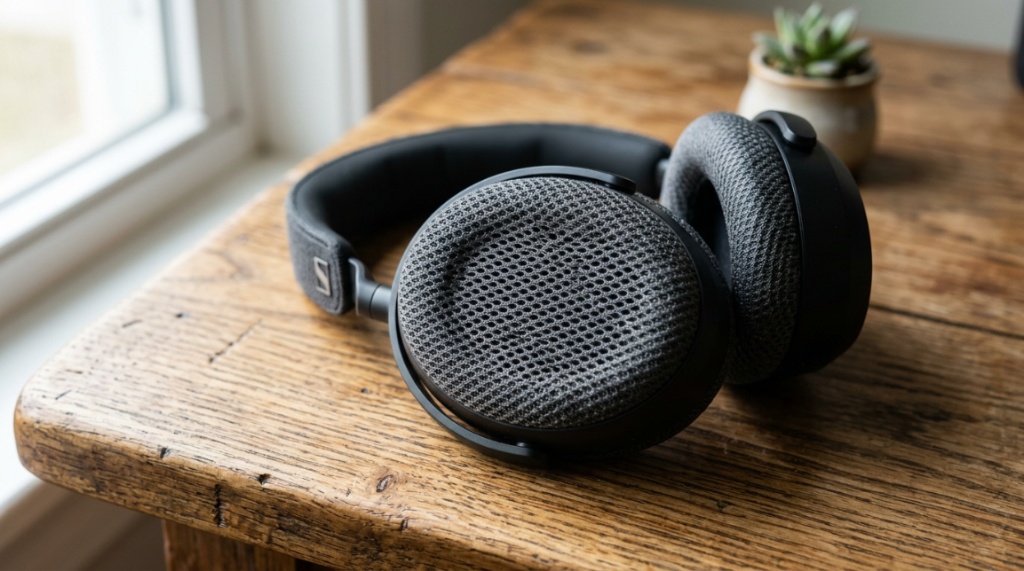
Comfort isn’t just about weight or clamping force—it’s about airflow. Soundcore’s over-ear models use protein leather ear cushions on some models and mesh fabric on others. Mesh fabric breathes noticeably better. If a model description mentions “memory foam” without specifying the outer covering, check reviews for heat-related complaints.
For earbuds, the eartip material matters more than the fit. Silicone tips are fine, but they can feel sticky after an hour in humid conditions. Some users prefer foam tips because they wick moisture better, though they need replacing more frequently. The trade-off is maintenance versus immediate comfort.
Which Soundcore Models Are Best for Hot Weather
Let’s get specific. Not every soundcore product is created equal when it comes to heat management, and some are clearly engineered with outdoor activity in mind. You’ll want to look at the Space, Life, and Liberty lines with a few key criteria in mind.
Best Earbuds for Sweat and Humidity
The Liberty series has historically offered the strongest water resistance. Models like the Liberty Air variants and the Liberty 4 series carry IPX4 ratings, which give decent protection against sweat and light rain. If you’re a runner, these are the safest options because they’re lightweight and sit securely in the ear without trapping heat.
Another consideration is the charging case. A metal case absorbs heat faster than plastic, so if you’re leaving earbuds in a car, plastic cases keep the internal battery cooler for longer. It’s a small detail, but it matters when your dashboard hits 140°F.
Over-Ear Options That Won’t Cook Your Ears
For over-ear fans, the Life series is a solid choice, but you need to be selective. Some models use dense foam padding that feels great in winter but becomes a swimming pool for sweat in July. Look for models that advertise “breathable” or “air-woven” fabric covers. These let air circulate and evaporate moisture naturally.
The Space series, while feature-rich, tends to prioritize comfort features over heat management. If you’re considering a model from this line, check whether replacement ear cushions are available in breathable materials. Buying a second set of fabric pads for summer use is a practical, low-cost upgrade that transforms a winter headphone into a year-round option.
How Heat Affects Battery Life and What to Do About It
Battery life isn’t static—it fluctuates based on temperature. Lithium-ion batteries operate optimally between 60–85°F. When the ambient temperature exceeds that range, you’ll notice reduced playback time and slower charging. In extreme cases, your headphones might refuse to charge until they cool down, which is a protective feature, not a defect.
Fast Charging as a Summer Survival Tool
Soundcore’s fast-charging feature isn’t just a convenience—it’s a heat-management strategy. If your headphones drain faster in the heat, being able to get several hours of playback from a 10-minute charge means you can minimize time outdoors with a depleted battery. It also means you can top up in short bursts before heading outside rather than leaving your device charging in a hot car.
Also, a quick note for outdoor use: high ambient heat plus direct sunlight increases internal temperatures significantly. Keep your headphones in a bag or under shade when not in use. A backpack interior can easily stay 20 degrees cooler than direct sunlight.
Maintenance Tips for Texas Summers
Your headphones can survive the summer, but only if you treat them right. Cleaning and storage habits matter more than any feature spec.
Wipe Down After Every Outdoor Session
Sweat is corrosive over time. It contains salts and minerals that slowly degrade adhesives and conductive parts. After any outdoor use, wipe your headphones down with a dry microfiber cloth. For earbuds, remove the tips and clean them separately to prevent moisture from getting trapped against the speaker mesh.
Store Them Out of the Heat
A car is one of the worst places to store headphones in Texas. Interior temperatures can reach dangerous levels for electronics, even in the shade. If you must leave them in a vehicle, place them in the glove compartment or center console, which wraps them in extra plastic insulation. Better yet, take them with you whenever you leave the car, Looking for budget-friendly audio alternatives for your daily commutes or studio sessions? Check out our guide on the Best Cheap IEM Headphones in Washington for more affordable recommendations.
Replace Consumable Parts Seasonally
Ear cushions and eartips are designed to wear out. In Texas, they wear out faster. Plan to replace eartips every 3–4 months during peak summer and ear cushions at least once a year. It sounds like an extra expense, but it preserves the sound quality and keeps your gear hygienic.
Frequently Asked Questions
Are soundcore earbuds safe to wear in the rain in Texas?
Most soundcore earbuds with an IPX4 rating can handle light rain and splashes, but they aren’t designed for heavy downpours. If you get caught in a sudden storm, dry them off thoroughly as soon as possible and avoid charging until they’re completely dry.
Can I use over-ear soundcore headphones for running outside in summer?
Technically yes, but they aren’t ideal. Over-ear headphones trap heat and absorb sweat, which leads to discomfort and faster material breakdown. If you prefer over-ear style, look for breathable fabric pads and take frequent breaks to let your ears cool down.
How long do soundcore headphones last in extreme heat?
With proper care, you can expect 2–3 years of normal use even in hot climates. Battery life will degrade gradually, and ear cushions will need periodic replacement. Proper storage and cleaning are the two biggest factors in longevity.
Do soundcore headphones have temperature protection?
Most modern soundcore models have built-in battery management that stops charging if the internal temperature rises above safe limits. This protects the hardware but may result in your headphones refusing to charge until they cool down.
Which soundcore models are best for outdoor workouts in summer?
True wireless earbuds from the Liberty line are generally your safest bet since they’re lightweight, secure, and designed for active use. Look for IPX5 ratings and check that the fit remains snug when skin gets slick with sweat.
Conclusion
Selecting headphones for Texas heat ultimately boils down to a few practical decisions: form factor, water resistance, and honest expectations about battery performance. Earbuds give you the best combination of comfort and durability during peak summer months, while over-ear models can still work with the right breathable materials and disciplined maintenance routines. Prioritize IPX4 as a baseline, consider upgrading to fabric ear cushions for over-ear models, and always store your gear away from direct sunlight and hot vehicles.
No single product is perfect for every condition, but with the right habits and a clear understanding of your own usage patterns, you can keep your audio experience solid all year long—even in a Texas summer. Take a quick inventory of how you actually use your headphones, check the IP ratings on the shortlisted models, and make your choice based on where the heat hits you hardest.